
Key Differences Between OEM and ODM Services for Insulated Bottles
When launching or expanding a drinkware line, choosing between OEM (Original Equipment Manufacturer) and ODM (Original Design Manufacturer) services for insulated bottles is a critical decision. Both models offer customization, but their approaches to design, production, and branding differ significantly. Let’s break down the core distinctions to help you select the right path for your brand, leveraging insights from industry expertise (like Medo Drinkware).
1. Design Responsibility
- OEM for Insulated Bottles: You (the brand) own the design. Provide detailed blueprints, 3D models, or specifications for the insulated bottle (e.g., shape, insulation technology, materials, logo placement). The manufacturer (e.g., Medo Drinkware) executes your design exactly, focusing on production and quality control.
- ODM for Insulated Bottles: The manufacturer (ODM partner) designs the insulated bottle. They leverage their R&D and design expertise to create prototypes based on your brand’s vision (e.g., target audience, use cases, aesthetic preferences). You can refine the design before production, but the initial concept comes from the ODM.
2. Branding & Intellectual Property (IP)
- OEM: Your brand retains full IP rights to the design. The manufacturer only produces the bottle as per your specifications and has no claim to the design. This is ideal if you’ve invested in unique product design (e.g., a patented insulation structure or exclusive shape).
- ODM: The ODM typically owns the base design (until you modify it extensively or enter an exclusive agreement). If you use a pre-existing ODM design (with minor tweaks), the ODM may license the design to you. For fully exclusive designs, negotiate IP transfer or exclusivity to secure your brand’s uniqueness.
3. Customization Depth
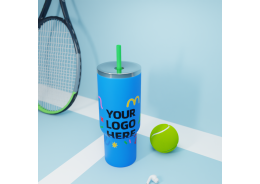
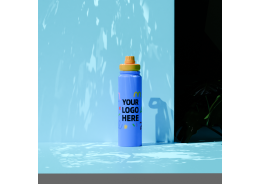
- OEM: Full customization is possible. You control every detail: from the bottle’s size, material (stainless steel, Tritan™, etc.), insulation performance, lid type, to color, finish (matte, glossy), and branding (laser engraving, silk-screen printing). Perfect for brands with a clear, unique product vision.
- ODM: Customization is “guided” by the ODM’s existing design library. You can modify an ODM’s template (e.g., adjust colors, add your logo, tweak dimensions) but may face limits on radical design changes (unless you fund new R&D). Great for brands needing speed or lower design costs.
4. Development Timeline
- OEM: Longer timelines (typically 3–6 months or more). Time is spent finalizing your design, prototyping, testing (e.g., leak tests, thermal performance), and tooling. Ideal for brands with ample lead time and a focus on innovation.
- ODM: Faster turnaround (often 1–3 months). Since the ODM uses pre-developed designs or templates, prototyping and tooling are streamlined. Perfect for quick market launches or seasonal product lines.
5. Cost Structure
- OEM: Higher upfront costs. You fund design development, tooling (molds for bottle shapes, lids, etc.), and may need minimum order quantities (MOQs) to justify custom tooling. However, long-term costs can decrease with volume, as you own the design.
- ODM: Lower initial investment. The ODM’s existing tooling and designs reduce setup costs. MOQs are often more flexible, but per-unit costs might be higher if you don’t order large volumes (since the ODM spreads design costs across multiple clients).
6. Brand Control & Flexibility
- OEM: Maximum control. You dictate every aspect, ensuring the insulated bottle aligns perfectly with your brand identity (e.g., eco-friendly materials, specific branding guidelines). However, this requires in-depth product knowledge and resources to manage design.
- ODM: Moderate control. You collaborate with the ODM’s design team, leveraging their expertise while adding your brand’s touch. This is efficient for brands lacking in-house design resources or wanting to leverage industry best practices (e.g., proven ergonomic bottle shapes).
Which Is Right for Your Insulated Bottle Brand?
Choose OEM if: - You have a unique, patented design for your insulated bottle. - You need full control over materials, sustainability, or technical specifications. - You have the time and resources to manage design development. Choose ODM if: - You need a fast time-to-market for your drinkware line. - You want to leverage the manufacturer’s design expertise (e.g., Medo Drinkware’s experience in insulated bottle innovation). - You prefer lower upfront costs and more flexible MOQs. Partnering with a trusted manufacturer like Medo Drinkware ensures quality, whether you opt for OEM (executing your vision) or ODM (co-creating a standout design). Evaluate your brand’s goals, resources, and timeline to make the best choice!

 English
 German
 French
 Russian
 Spanish
 Japanese
 Korean
 Portuguese
 Ukrainian
 Arabic
 Italian


