
How the Manufacturing Process of Vacuum Sealed Thermos Flasks Ensures Long-Term Thermal Performance
Vacuum sealed thermos flasks have become an indispensable part of our daily lives, keeping beverages hot or cold for extended periods. But have you ever wondered how the manufacturing process guarantees their outstanding thermal performance over the long term? This blog, inspired by insights from MEDO Drinkware, explores the ingenious steps involved in creating these thermal marvels.
1. High-Quality Material Selection
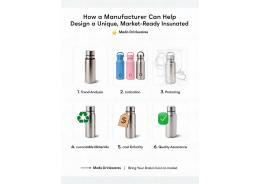
The manufacturing of vacuum sealed thermos flasks begins with selecting durable, high-grade materials like food-grade stainless steel. This material is resistant to corrosion, wear, and external environmental factors, ensuring the longevity of the flask and its ability to maintain temperature over time.
2. Double-Wall Construction
A key component in maintaining the thermal performance of a thermos flask is its double-walled design. During production, two walls of steel are carefully shaped, with a gap left between them. This gap is a critical part of the insulation process, minimizing heat transfer between the inner and outer walls.
3. Creating the Vacuum Seal
The next step is the vacuum sealing process, which involves removing all the air from the space between the two walls. Using high-precision equipment, manufacturers create a vacuum to significantly reduce heat conduction and convection, allowing the flask to keep drinks hot or cold for hours.
4. Quality Inspection
To ensure that the vacuum seal is flawless and will not degrade over time, manufacturers perform detailed quality control inspections. These include leak tests, thermal performance evaluations, and pressure resistance tests. Any flaws in these tests would compromise the flask’s ability to insulate effectively.
5. Additional Coatings and Finishes
To provide extra durability and aesthetic appeal, manufacturers add various coatings and finishes to the flask. Powder coatings and other protective layers help resist scratches, rust, and environmental wear, further extending the flask’s lifespan and maintaining its performance.
6. Sustainable and Precision-Based Production
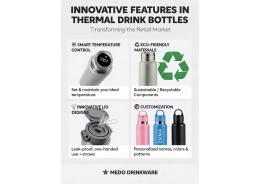
As sustainability becomes a key focus, manufacturers like MEDO Drinkware adopt environmentally friendly practices and precision-based production methods. Reduced waste, energy-efficient processes, and recyclable materials not only benefit the environment but also ensure consistent product quality.
Conclusion
The manufacturing process of a vacuum sealed thermos flask is a testament to engineering excellence and innovation. Through careful material selection, precise fabrication, rigorous quality control, and environmentally conscious production techniques, manufacturers like MEDO Drinkware ensure long-term thermal performance and durability. The next time you enjoy a hot coffee or a chilled lemonade from your thermos, you’ll appreciate the intricate process that makes it all possible.



 English
 German
 French
 Russian
 Spanish
 Japanese
 Korean
 Portuguese
 Ukrainian
 Arabic
 Italian


