
Common Defects to Watch Out for When Inspecting Bulk Shipments of Drinkware
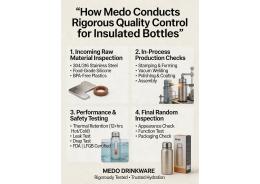
When sourcing and importing drinkware in bulk, maintaining product quality is crucial for ensuring customer satisfaction and protecting your brand reputation. Below, we outline some of the most common defects to watch for during drinkware inspections, helping you identify potential issues early and avoid customer complaints.
1. Scratches and Surface Blemishes
Scratches, smudges, or other unsightly surface imperfections are among the most common issues with drinkware. These defects are often caused by poor handling during manufacturing or shipping. Make sure to inspect all items for any physical damage or cosmetic flaws.
2. Uneven Printing or Logos
Many drinkware products feature branding or designs printed directly on the surface. Misprinted logos, smudged ink, or uneven patterns can ruin the aesthetic appeal and send a negative message to your customers about the attention to detail. Check the quality of the printwork on a random sampling of items.
3. Leakage or Poor Sealing
For items like tumblers, mugs, or water bottles, leakage is a major concern. Poor sealing due to faulty lids, cracks, or defective closures can render the drinkware unusable. Conduct water-tightness or leakage tests during inspections to ensure functionality.
4. Material Defects
Inspect the materials used for manufacturing. Subpar or contaminated raw materials can result in drinkware that is brittle, unevenly molded, or prone to breaking. Pay attention to any discolorations or weak spots in the material.
5. Rough Edges or Protrusions
Sharp or uneven edges on drinkware are not only unsightly but also a safety hazard. Inspect for burrs or protrusions, especially around the mouth of the product, to ensure a safe and comfortable user experience.
6. Inconsistent Dimensions
Bulk drinkware items should meet standardized dimensions for capacity, size, and weight. Variations in size may result from manufacturing errors, affecting usability and customer satisfaction. Verify dimensions against your product specifications.
7. Residual Smells or Odors
New drinkware pieces should be odor-free. A chemical or plastic smell may indicate low-quality materials or inadequate cleaning during production, which may discourage customers from using the product.
Conclusion
Inspecting bulk shipments of drinkware requires careful attention to detail and a proactive approach to quality control. By staying vigilant and addressing these common defects, you can ensure your product meets your specifications and exceeds your customers’ expectations. Partnering with a trusted supplier like Medo Drinkware can further minimize these risks and ensure high-quality drinkware for your business.

 English
 German
 French
 Russian
 Spanish
 Japanese
 Korean
 Portuguese
 Ukrainian
 Arabic
 Italian


