
Factors Determining Wholesale Pricing for Vacuum Insulated Bottles
Vacuum insulated bottles have become increasingly popular as businesses and individuals alike prioritize sustainability and functionality. For wholesalers looking to source these products for resale, understanding the factors that influence pricing is crucial. Below, we explore the key aspects that impact wholesale pricing for vacuum insulated bottles when ordered in large quantities.
1. Quantity Ordered
One of the primary determinants of wholesale pricing is the quantity ordered. Generally, the higher the volume purchased, the lower the cost per unit. Bulk orders often enable manufacturers to optimize their production processes, resulting in savings that are passed down to the buyer.
2. Materials Used
The type and quality of materials significantly affect pricing. Bottles made from premium stainless steel or eco-friendly materials tend to cost more. Additionally, features such as food-grade coatings and BPA-free components might increase costs but are essential for ensuring customer satisfaction.
3. Customization Options
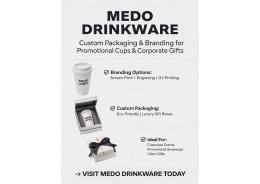
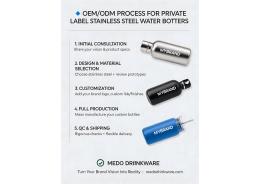
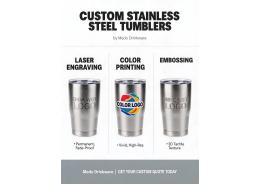
Many businesses prefer to customize vacuum insulated bottles with their logos or unique designs. This customization often involves additional production steps, such as laser engraving, screen printing, or powder coating, all of which can add to the overall pricing.
4. Design and Features
The complexity of the bottle design also plays a role. Advanced features like double-wall insulation, unique lids, or ergonomic shapes can increase manufacturing costs. Similarly, bottles with innovative functionalities, such as built-in straws or temperature displays, will typically be priced higher.
5. Manufacturer Location
Where the bottles are produced can impact pricing due to differences in labor costs, raw material availability, and shipping expenses. For instance, sourcing bottles from manufacturers in regions with higher production costs may result in higher wholesale prices.
6. Shipping and Logistics
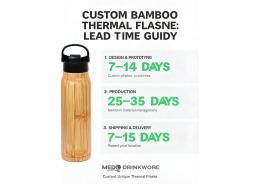
Shipping and logistics are critical cost factors, especially for large-scale orders. Buyers should consider freight charges, delivery timelines, and any associated fees for importing the products. Opting for manufacturers close to the buyer’s location can help reduce these expenses.
7. Certifications and Standards
Manufacturers that produce vacuum insulated bottles adhering to strict certifications, such as FDA approval, ISO standards, or sustainability certifications, may charge a premium. These standards ensure product quality and compliance with international regulations.
8. Competitive Trends
Overall market demand and competition significantly affect pricing. When demand is high, pricing may increase. Conversely, increased competition among manufacturers can lead to more competitive rates for buyers.
Conclusion
Several factors must be evaluated when determining wholesale pricing for vacuum insulated bottles. From material choices and quantity to customization and certifications, these aspects collectively drive the final cost. For businesses looking for high-quality vacuum bottles, partnering with reliable suppliers like MEDO Drinkware can ensure both competitive pricing and superior product quality.

 English
 German
 French
 Russian
 Spanish
 Japanese
 Korean
 Portuguese
 Ukrainian
 Arabic
 Italian


